
What Is Infrared Heating?
Infrared heating is an energy-efficient method of warming buildings by transferring heat directly to surfaces, rather than heating the air first. Unlike traditional convection systems, infrared heating provides consistent, comfortable warmth with less temperature fluctuation. As a result, rooms feel more evenly heated and energy is used more effectively.
How Infrared Heating Works?
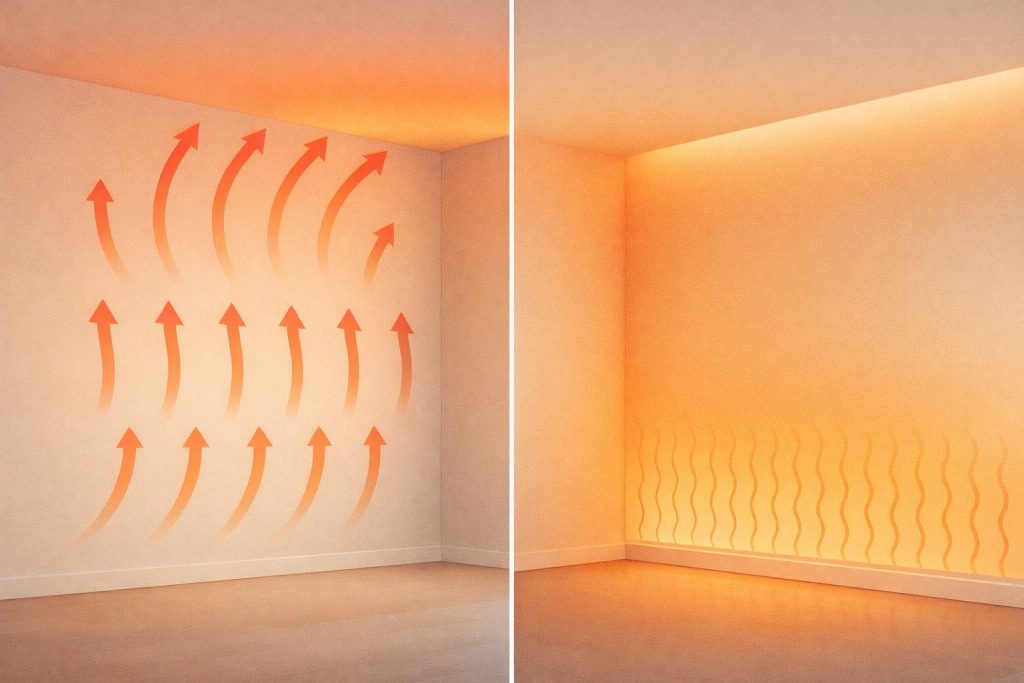
Infrared heating systems emit radiant heat, similar to the natural warmth of the sun. Instead of warming the air first, the system gently heats walls, floors, ceilings and objects within the space. These surfaces then release heat back into the room, creating a stable indoor temperature.
Because the heat is absorbed into the structure of the building, warmth is retained for longer. Therefore, the system does not need to operate continuously to maintain comfort.

How Infrared Heating Differs from Traditional Systems
Traditional radiators and forced-air systems heat the air, which rises and often creates uneven temperature zones. However, infrared heating warms surfaces directly, which helps reduce cold spots. In addition, there is less air movement, which can reduce drafts and make indoor comfort feel more consistent.
Discreet and Zone-Controllable Heating
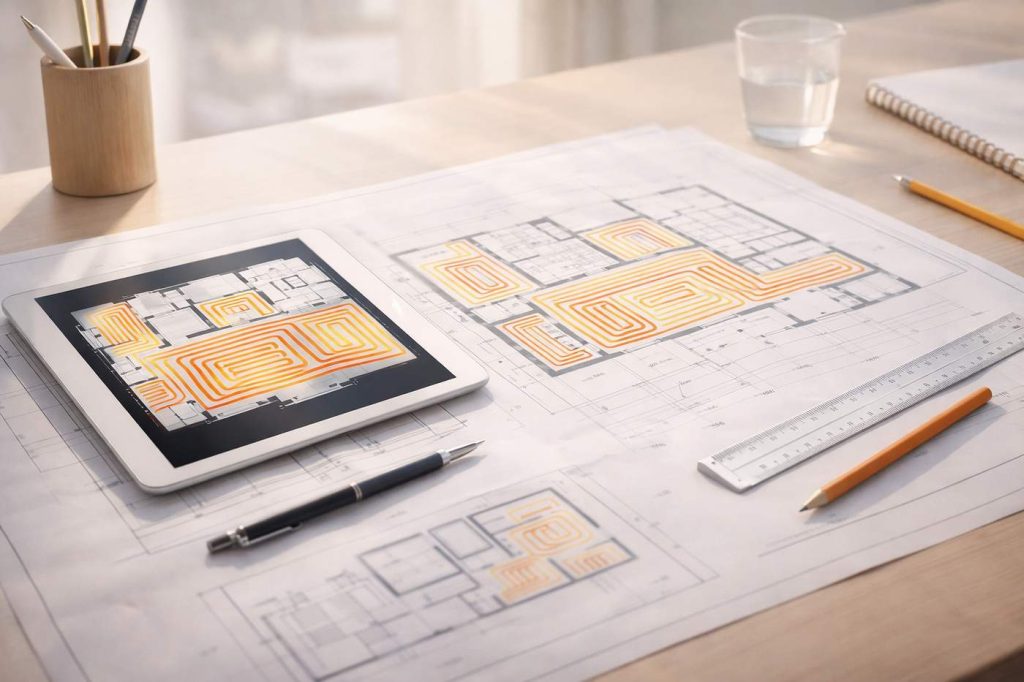
Once installed, infrared carbon heating systems can be completely hidden within walls or ceilings, so they do not affect interior layout or usable space. Moreover, rooms or zones can be controlled independently to improve efficiency. For example, heating can be switched on only where needed. The system can be controlled via a wall thermostat or remotely using a smartphone. In addition, occupancy sensors can be used to adjust energy use when rooms are not occupied.
Energy Efficiency and Reduced Running Costs
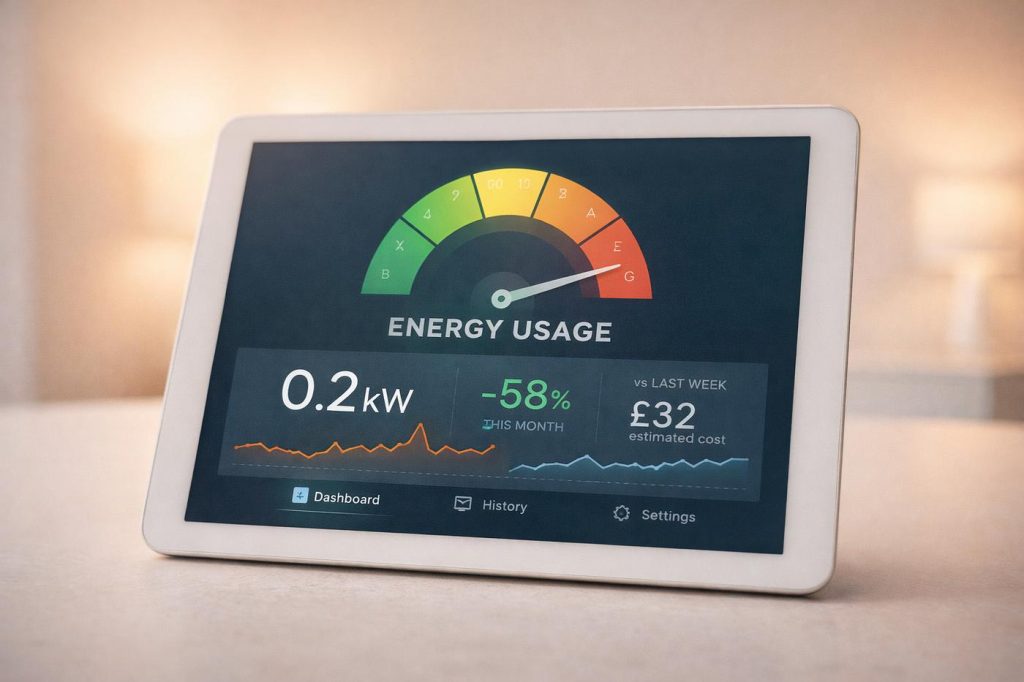
Because infrared heating delivers warmth directly to surfaces, less energy is wasted heating unused air. As a result, running costs can be optimised, especially when combined with zoning and smart controls. Furthermore, low-voltage infrared carbon systems are designed for efficient operation while maintaining consistent comfort.
Where Infrared Heating Can Be Used?
Infrared heating can be used across a wide range of buildings, including homes, commercial spaces, care environments, schools, and heritage properties. Since systems are ultra-thin and integrated within building structures, they can suit both new builds and refurbishment projects.
Is Infrared Heating Right for Your Project?
Infrared heating is particularly suitable where discreet installation, controllable comfort, and energy efficiency are priorities. However, factors such as insulation, layout, and usage patterns should be considered. Therefore, it is best to assess requirements before selecting the ideal system for your building.
Speak to Energy Carbon About Infrared Heating
If you are considering infrared heating for a residential or commercial building, Energy Carbon can help you understand suitability and recommend the right system for your project.