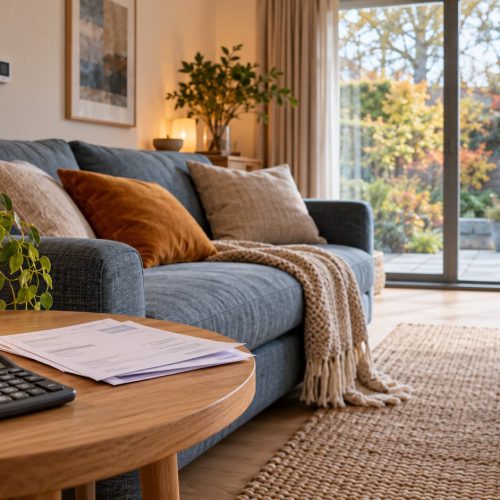
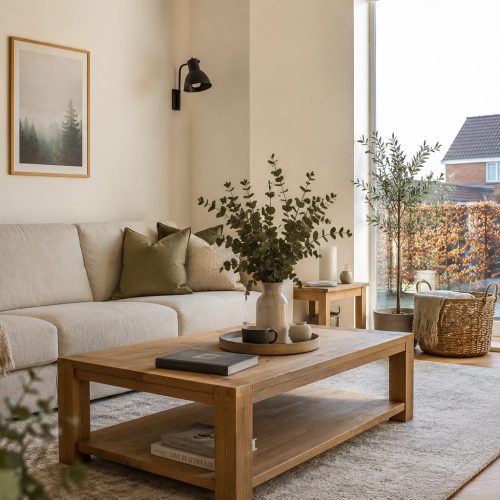
Comfortable, Evenly Distributed Warmth
Radiant heating warms people and surrounding surfaces more directly. When correctly designed, this can create stable room temperatures with fewer noticeable cold areas.

Concealed heating. Visible comfort.
Comfortable, controllable heating built into your space.
Energy Carbon provides infrared heating systems for UK homes, commercial buildings and specialist environments. Our German-engineered carbon-film heating can be concealed within suitable ceilings, walls and compatible floors, bringing radiant warmth into your space without bulky radiators.
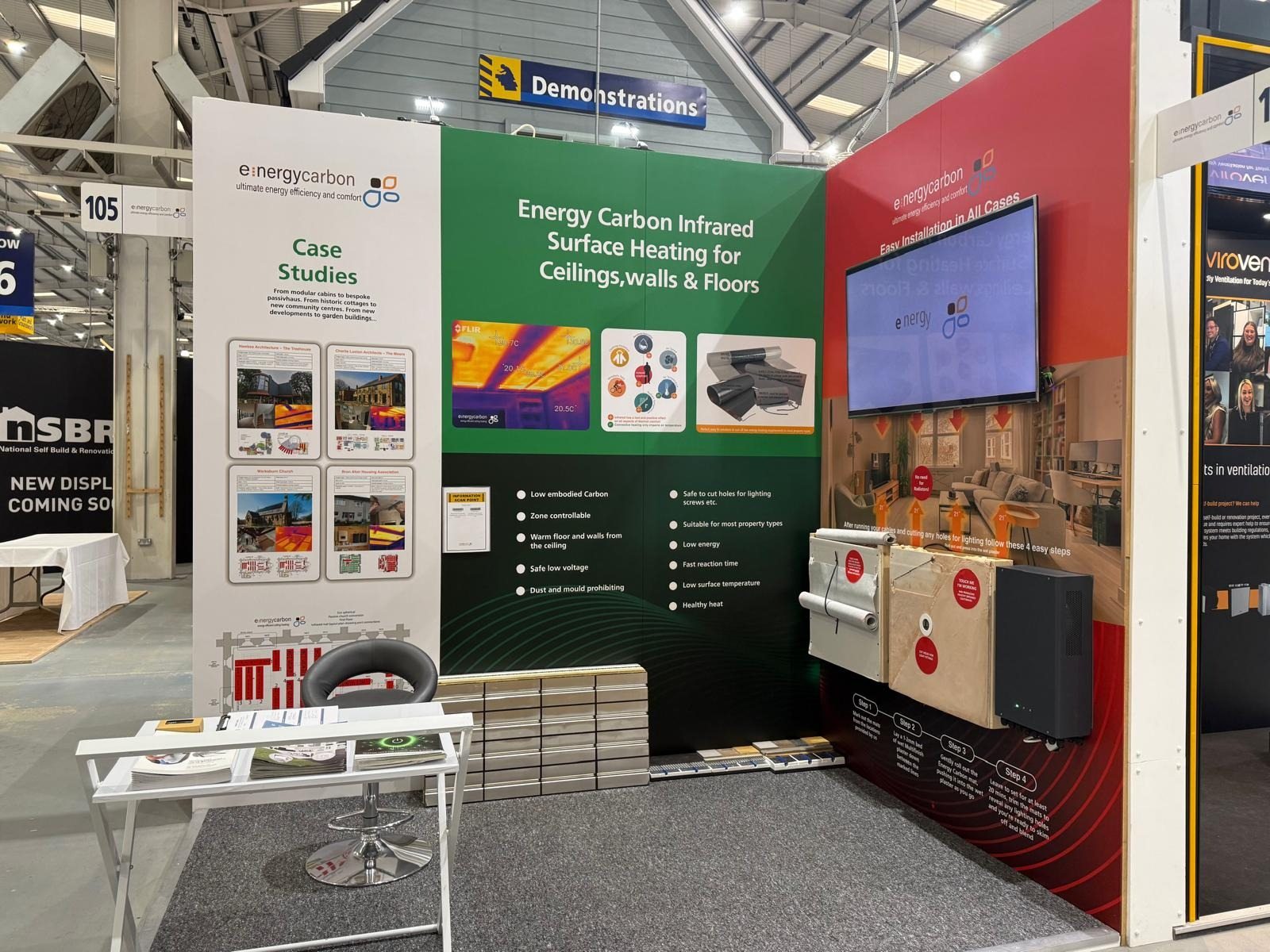
Our permanent display at the National Self Build and Renovation Centre in Swindon.
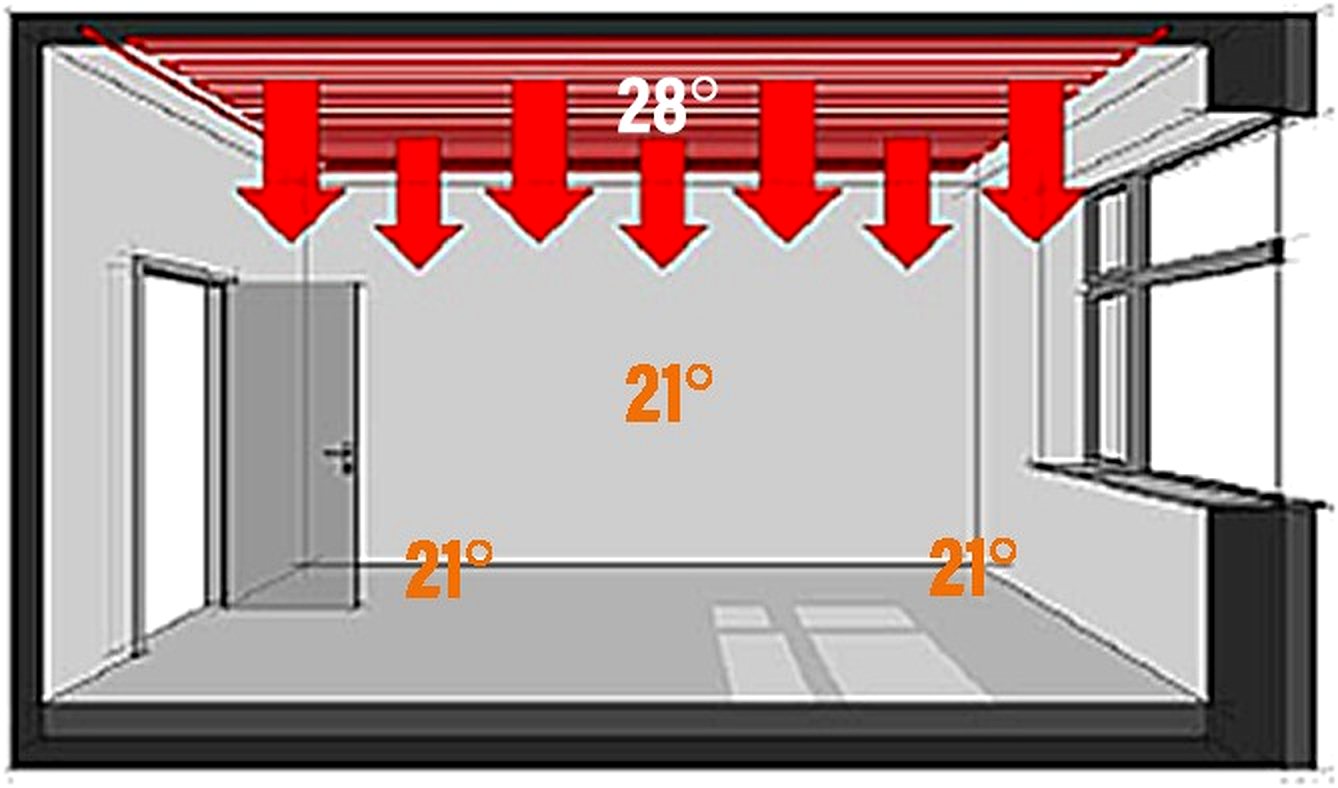
Traditional radiators and convection heaters primarily warm the air. The heated air rises, cools and circulates around the room, which can contribute to temperature differences between the floor and ceiling.
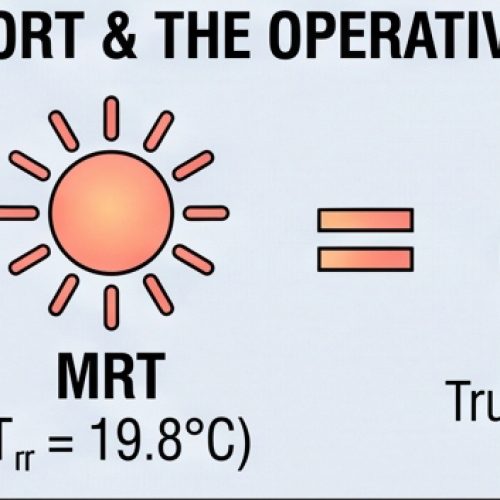
Infrared heating technology works differently. It transfers radiant warmth to people, floors, walls, furniture and other surfaces within the room. These surfaces absorb the energy before gradually releasing warmth back into the space.
This approach can provide:
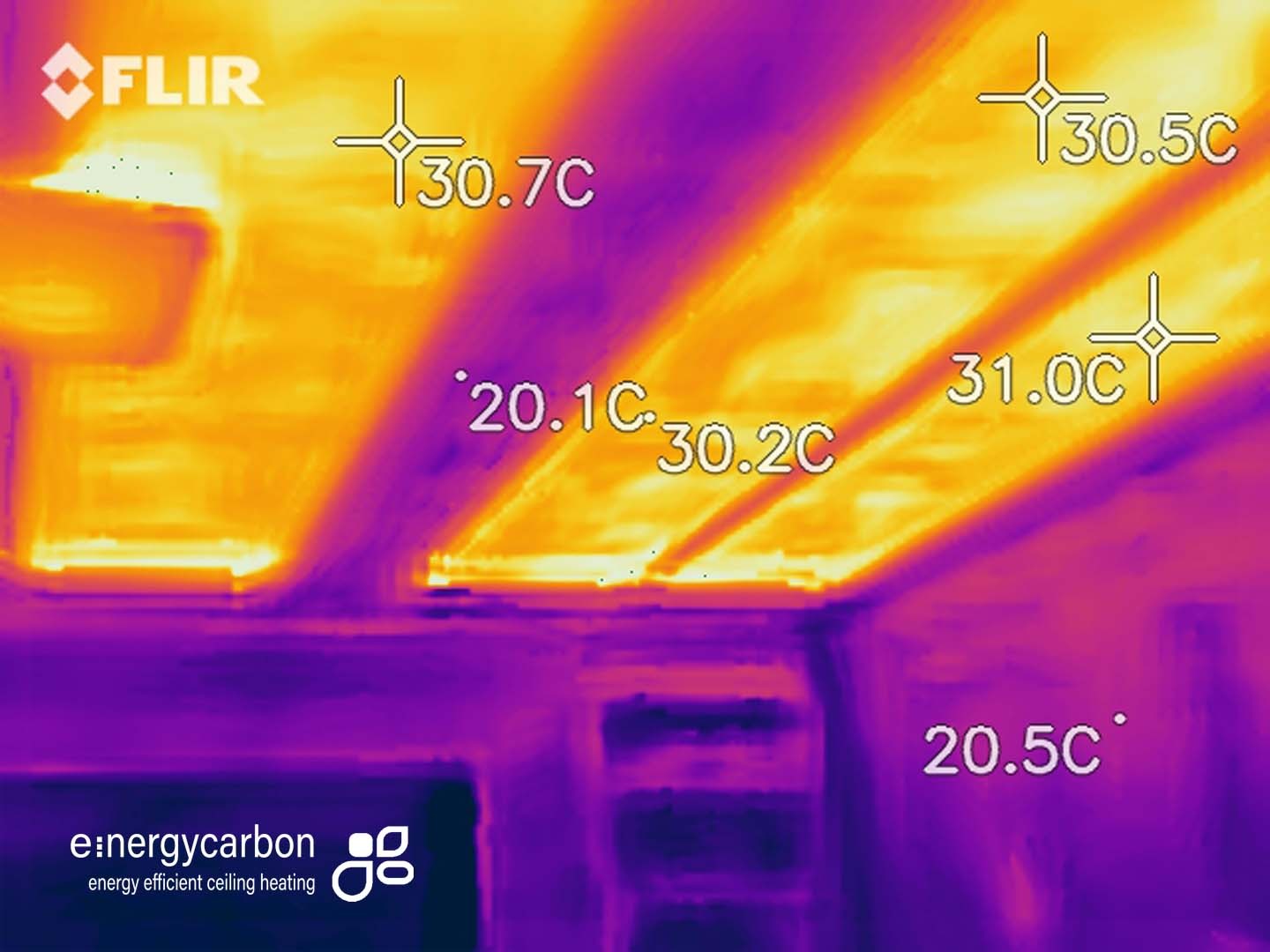
Energy Carbon uses advanced carbon-film heating technology that can become part of the building fabric.
At only 0.4 mm thick, the heating layer can be installed behind plasterboard, within suitable plaster or adhesive systems, or beneath compatible floor finishes. There is also a self adhesive version to cut down on trades. Once decorated, the heating system remains completely concealed.
Instead of concentrating heat through a small radiator or visible panel, the system can distribute gentle radiant warmth across a larger surface area.
This provides greater freedom for architects, developers, interior designers and property owners while helping rooms maintain a clean, uncluttered appearance. This also eliminates the need for a plant room.
Ceiling installation provides broad heat coverage while keeping the entire heating system out of sight. It can be particularly useful where wall space is limited or room layouts may change. As this produces a light wave and not ‘heat’ the technologoy radiates downwards and will even warm floors.
Wall-integrated carbon mats can provide comfortable surface heating without visible radiators. The room remains flexible for furniture, storage and interior design. The system is designed so that fixings through the mats are possible and entirely safe.
Selected Energy Carbon products can be installed beneath compatible laminate, carpet or other approved floor finishes. The correct product, sensor and control arrangement must be specified for the chosen flooring. This significantly reduces floor build up whilst reducing the energy demand seen in other electric systems.
Energy Carbon systems can be designed as a complete heating solution or used for targeted areas such as extensions, bathrooms, workspaces and difficult-to-heat rooms.
An all-electric infrared heating system avoids the direct combustion of gas or oil within the building. It can also operate alongside renewable electricity and on-site generation such as solar PV. The system can even be linked directly to PV panels to charge from available sunlight, particularly useful in cold, dark rooms.
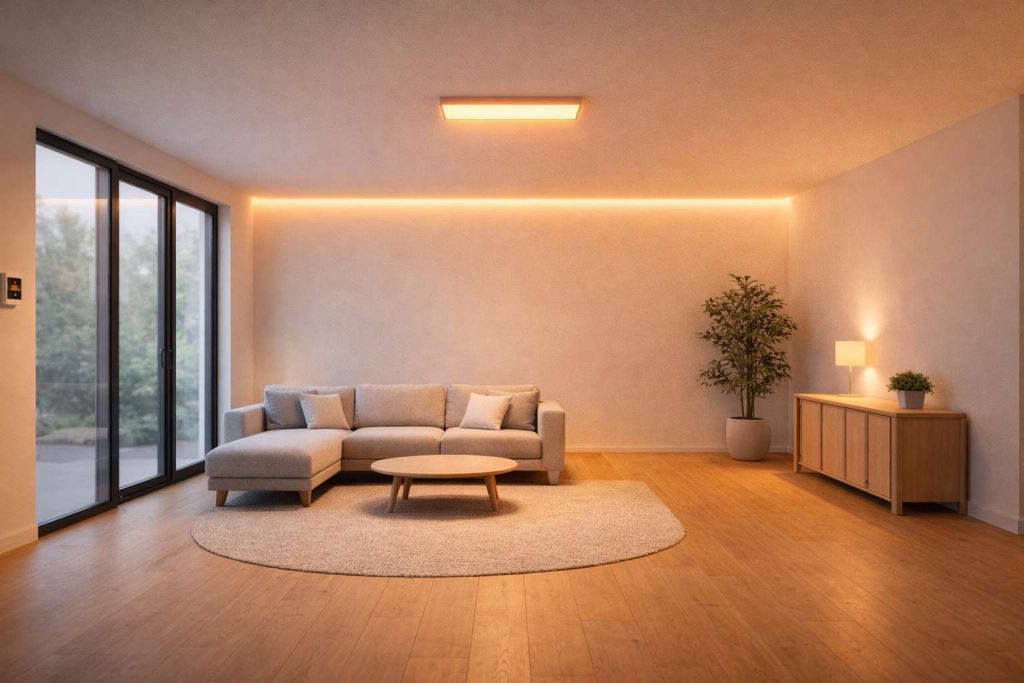
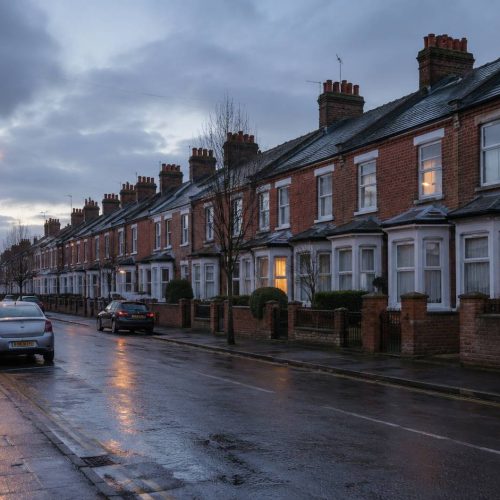
Energy Carbon provides infrared heating for homes, apartments, extensions, new developments and refurbishment projects across the UK.
The concealed system can be used throughout an entire property or specified for individual rooms. Room-by-room zoning gives householders greater control over when and where energy is used.
Infrared carbon-film heating may be considered for:
Suitability and operating costs depend on the property’s heat loss, insulation, electricity tariff, occupancy and control strategy but compare favourably against alternative methods.
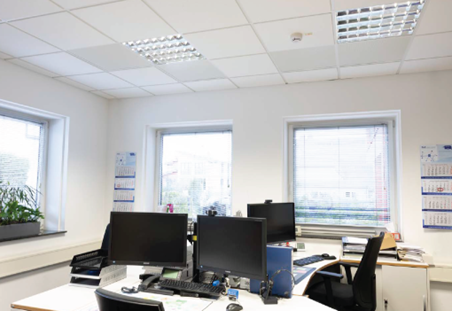
Commercial properties frequently contain areas with different operating hours and occupancy patterns. Heating every area to the same temperature can waste energy when parts of the building are empty.
Energy Carbon’s commercial infrared heating systems can divide a property into separately controlled zones. Offices, counters, workstations, meeting rooms and shared areas can be managed according to actual use.
The system can eliminate the need for high energy consuming fan and panel heaters by integrating into suspended ceilings.
Potential applications include:
The concealed installation also provides flexibility when a commercial layout changes.
Care homes and assisted-living environments require reliable, comfortable and easily controlled heating. As the system is decentralized and energy efficient, it eliminates the risk of catastrophic breakdown, forcing a home into fitting electric heaters.
Energy Carbon systems can provide gentle radiant warmth with quiet operation and less air movement than fan-assisted or convection-based systems. Each bedroom or occupied area can be controlled according to its use and the comfort requirements of residents.
By restricting air movement in the room, the spread of allergens and bacteria is also minimized.
The absence of projecting radiators can also provide more flexibility for furniture, equipment and accessible room layouts. As the heat mats only reach a maximum of 40°c, there is also no chance of burns.
Every care project should be assessed individually, with particular attention given to room temperatures, controls, electrical design and continuity of service.
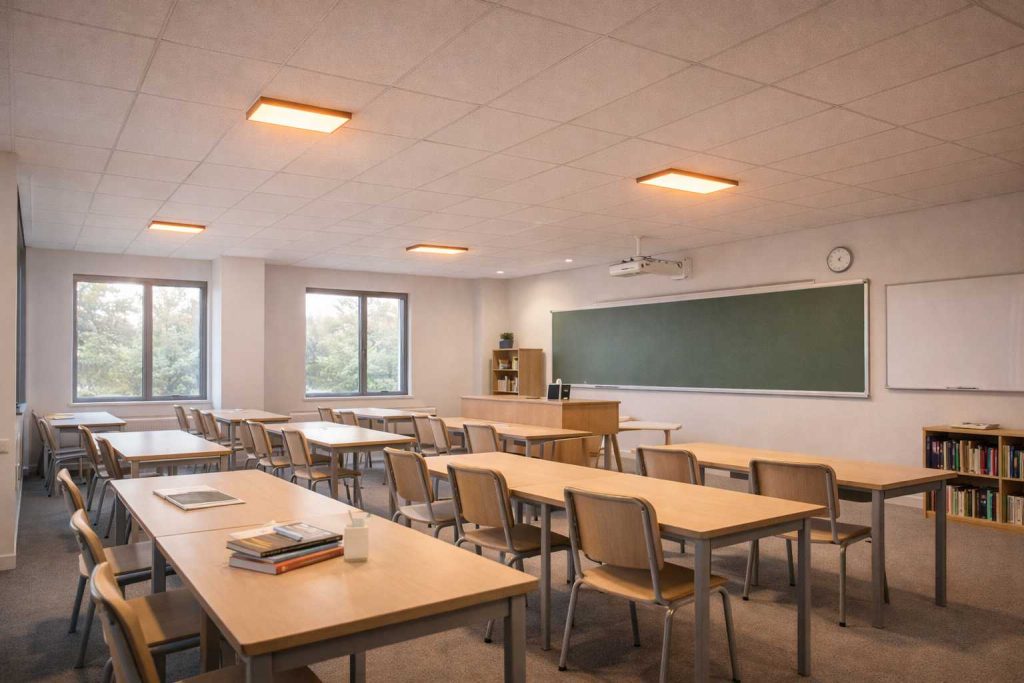
Classrooms, halls, offices and shared spaces are often occupied at different times. Zoned infrared heating allows education providers to control these areas separately instead of heating the whole building continuously.
Silent operation is particularly valuable in classrooms and study areas. Concealed installation can also reduce obstructions and preserve usable wall space.
Energy Carbon systems can be considered for new schools, refurbishment projects, colleges, nurseries and specialist education facilities.
Explore infrared heating for schools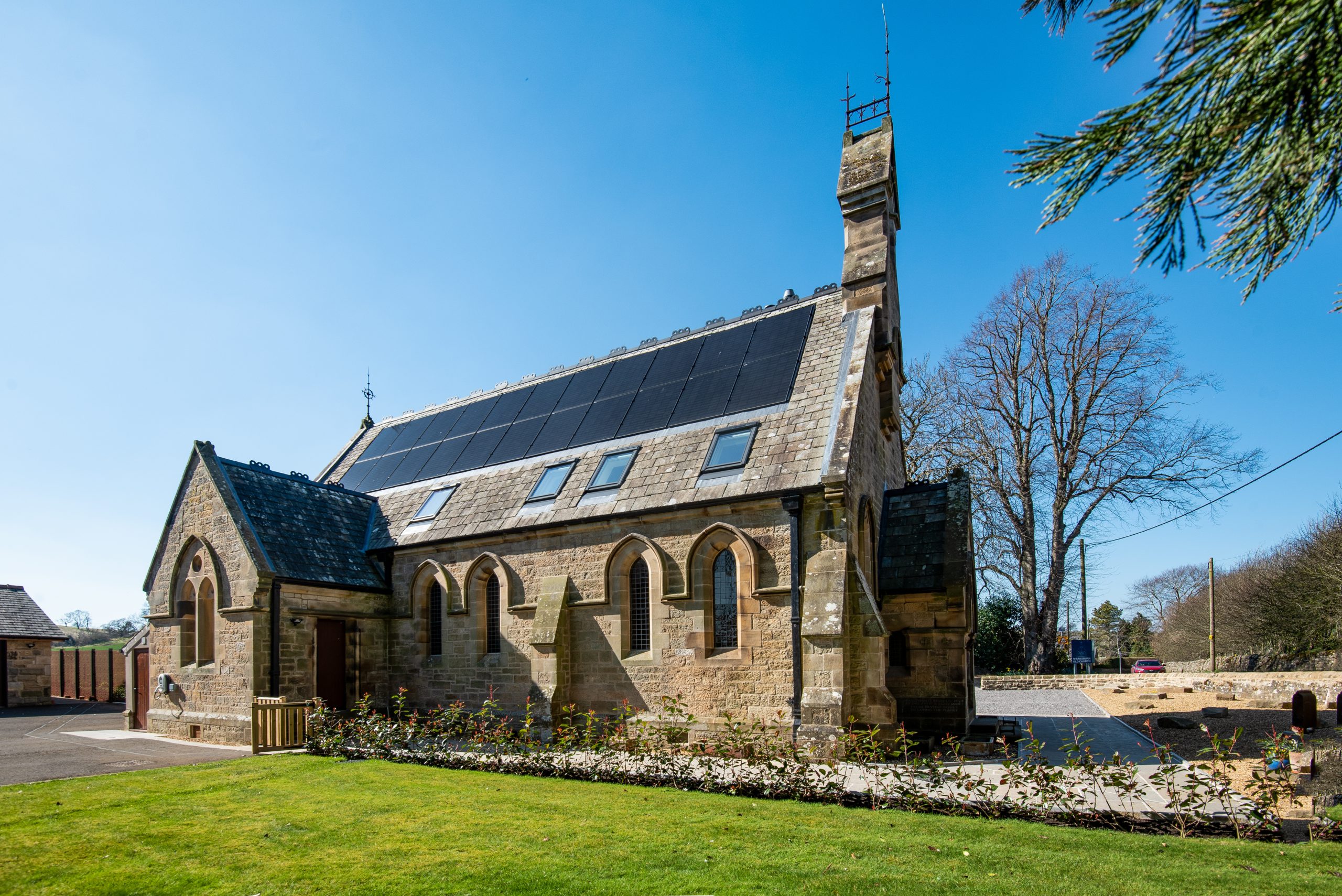
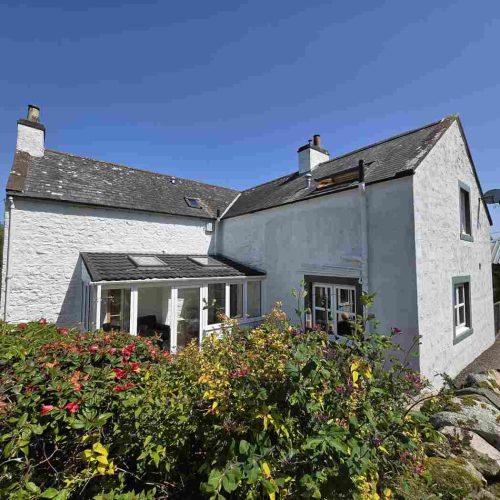
Historic and listed buildings present unique heating challenges. Solid walls, high ceilings, sensitive finishes and restrictions on visible alterations can make conventional heating difficult to integrate.
Energy Carbon’s ultra-thin heating systems can be concealed within approved ceiling, wall or floor constructions, helping to preserve the appearance and usable space of the building. Its vapour open surface restricts moisture build up and even works with heritage finishes such as lime plaster.
A heritage installation must be designed around the condition of the building fabric, moisture behaviour, heat loss and any conservation or listed-building requirements.
Discover infrared heating for heritage buildingsEnergy Carbon offers several carbon-film heating products for different surfaces, building types and installation requirements.
 View full-size image — opens a new tab
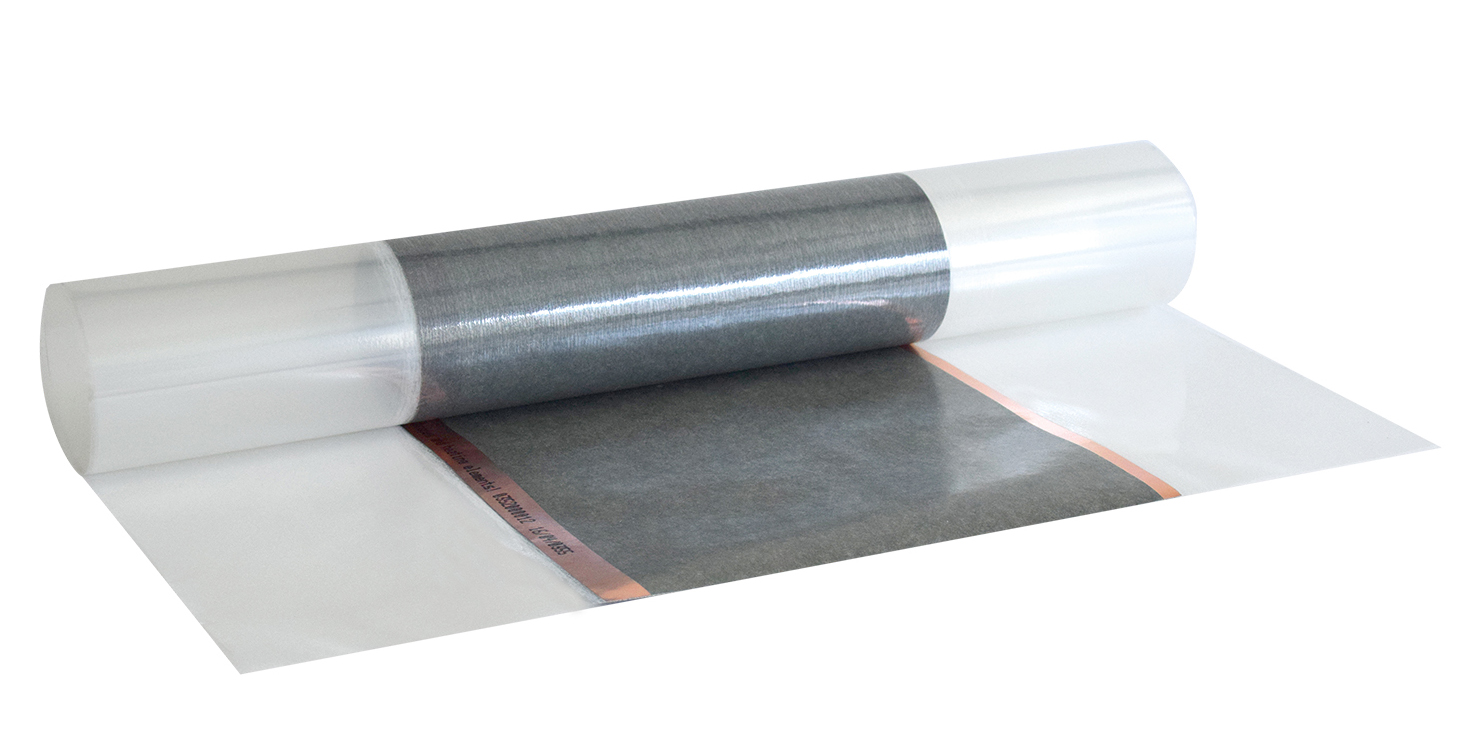
DRYTEC is designed for fast installation behind plasterboard in suitable dry-lined ceiling constructions. It provides a concealed heating solution without requiring a wet plaster installation over the heating material and can quickly be installed by the electrician without the need for other trades.
 View full-size image — opens a new tab
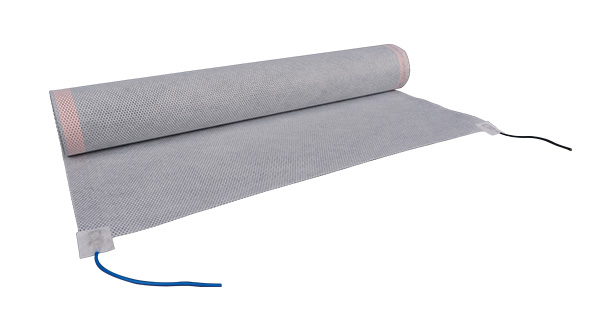
Fleece is Energy Carbon’s original carbon-film heating product. Its perforated surface allows suitable plaster, tile adhesive or screed to bond through the material, integrating the 0.4 mm heating layer into the selected construction, whether they be wall, floor or ceilings. Suitable for painted, tiled, wooden and stone surfaces up to maximum tolerences.
Different output options are available to suit varying heat-loss requirements.
 View full-size image — opens a new tab
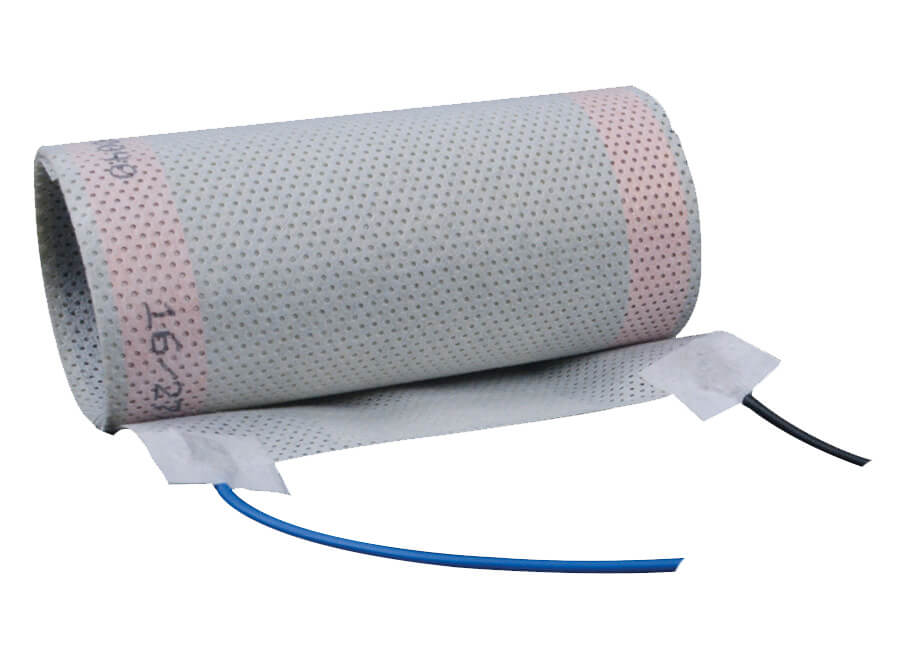
Moisture Protect is a narrow carbon-film format designed for locations such as window reveals and other targeted areas. Similar to the Fleece product, this can be used where surface temperatures require careful management in order to avoid condensation, such as North facing walls or areas covered with vegetation.
It should be specified as part of a wider assessment of insulation, ventilation, condensation and moisture conditions.
 View full-size image — opens a new tab
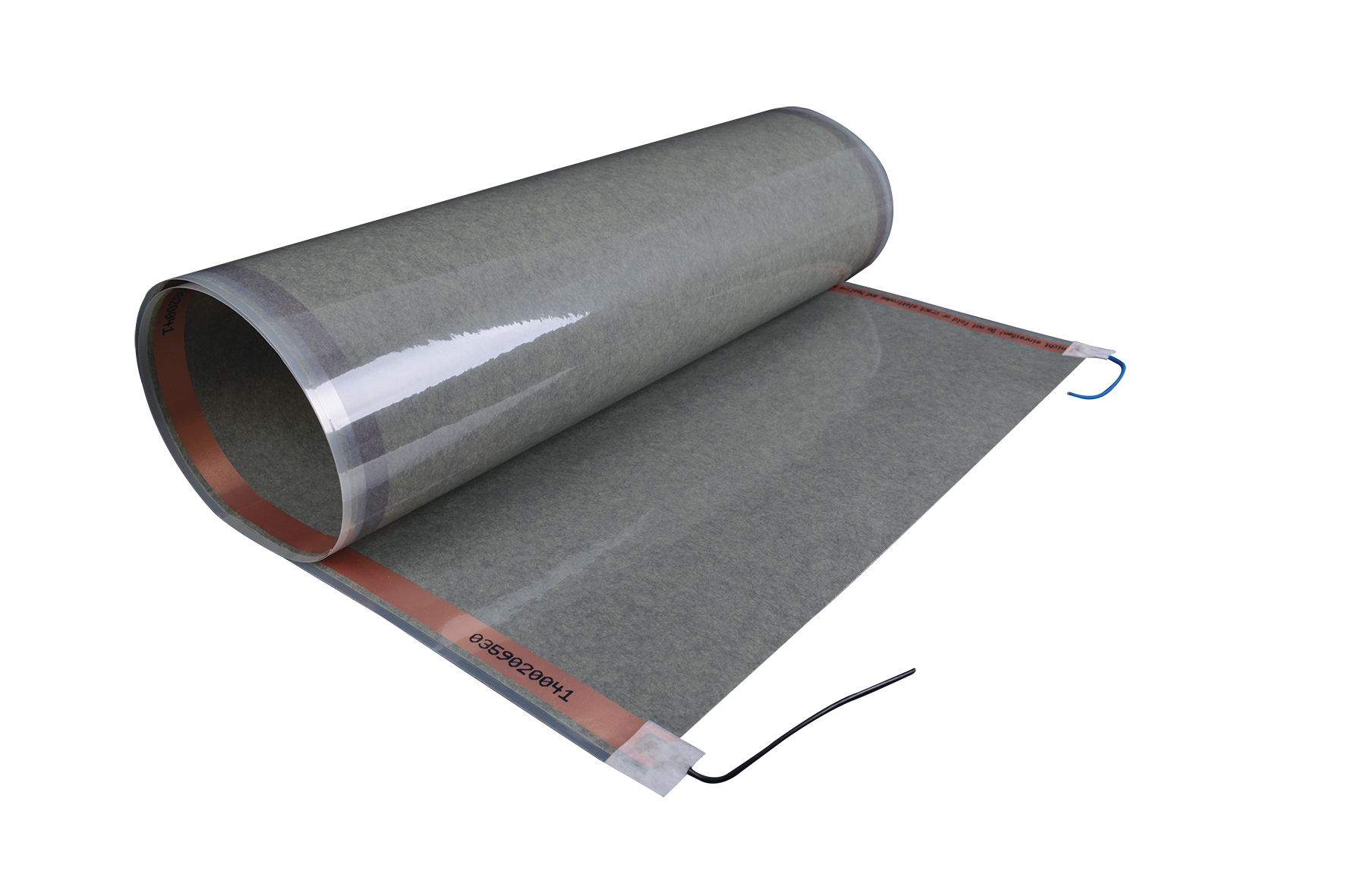
P.E.T. Film is designed for installation beneath compatible laminate and carpeted floor constructions. Appropriate floor sensing and temperature controls should be included to protect the floor finish and regulate the system.
 View full-size image — opens a new tab
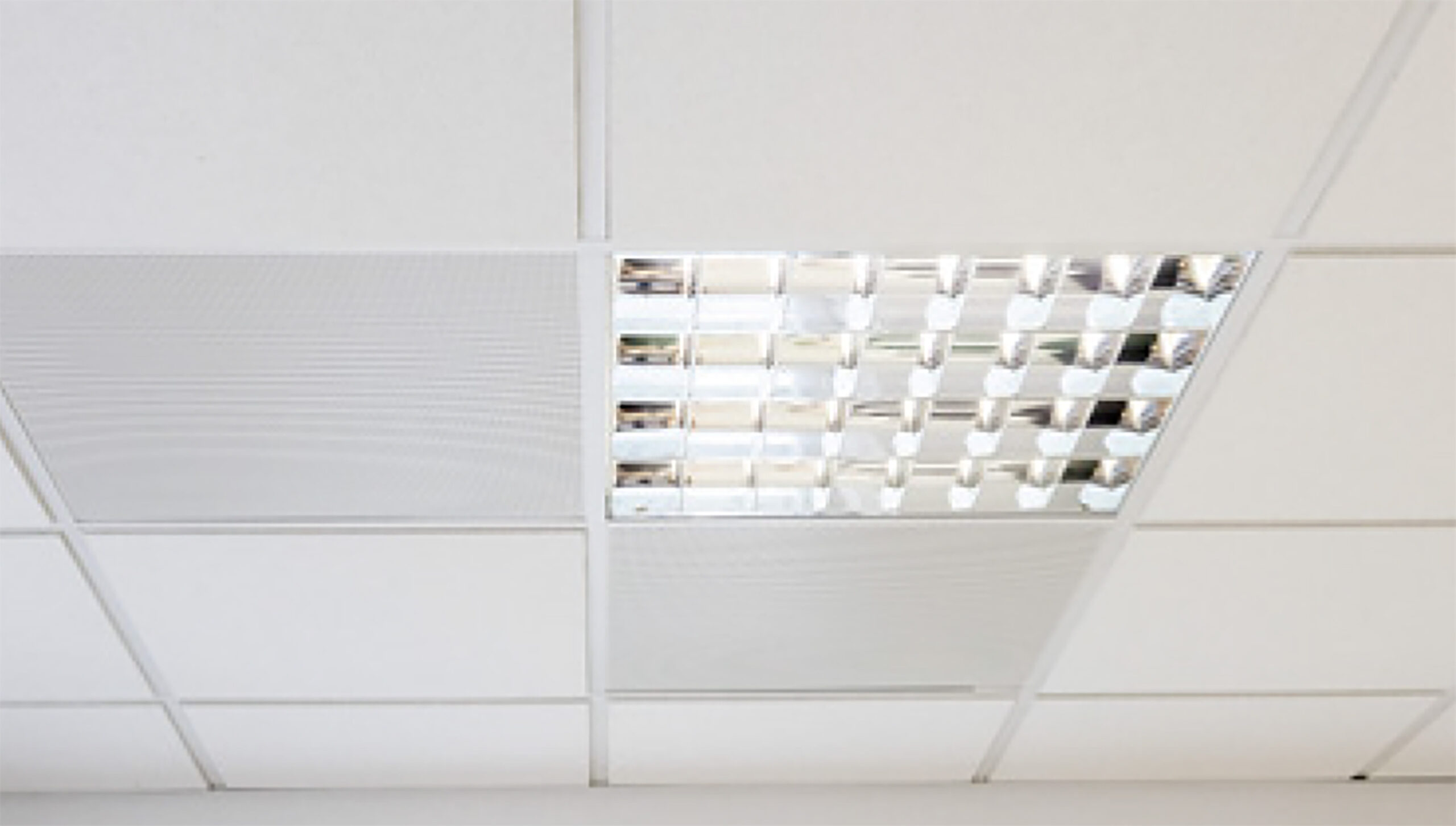
SmartFlex is designed for 600 mm by 600 mm suspended-ceiling grids. It can provide targeted radiant heating above workstations, counters, desks and other occupied areas, eliminating the need for under desk electric heating which generally is uncomfortable, expensive to run and can spread colds and dust.
 View full-size image — opens a new tab
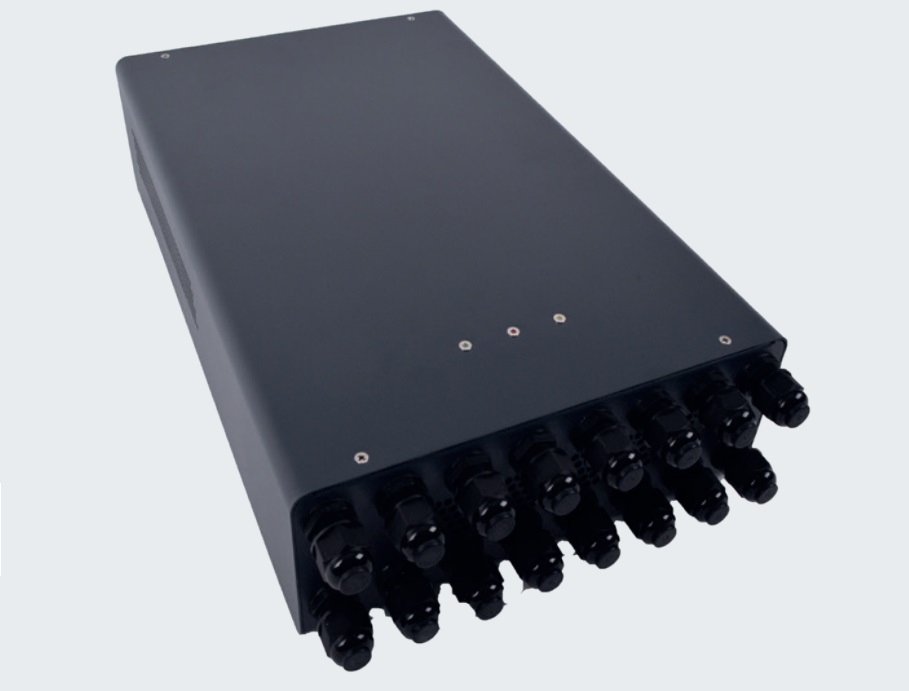
Energy Carbon offers transformer and control options that supply either 24V or 36V SELV power to compatible heating elements.
Depending on the selected unit, systems can include plug-and-play connections, room thermostat integration, individual zone management and visual operating diagnostics.
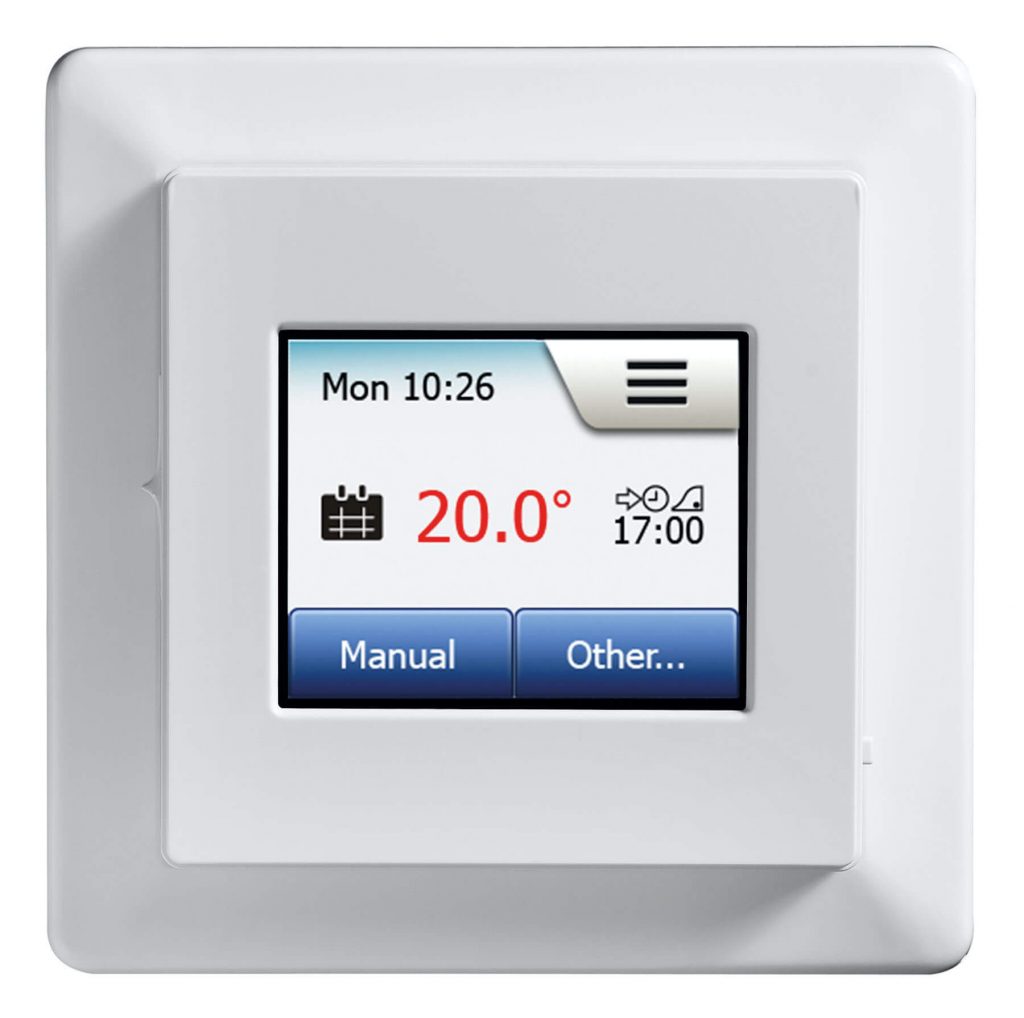
Good control is essential to the performance of any electric heating system.
Energy Carbon systems can be connected to room thermostats and compatible smart-control platforms. This allows building users to control individual rooms, create schedules and adjust temperatures around actual occupancy.
Depending on the selected control system, users may be able to:
The objective is simple: provide comfort where it is needed without heating every part of the building unnecessarily.
Energy Carbon systems have been used in residential, care, commercial, community and heritage environments across the UK and Europe.
Our case studies demonstrate how carbon-film heating can be integrated into different surfaces, controlled around occupancy and adapted to the individual needs of each building.
View Infrared Heating Case Studies