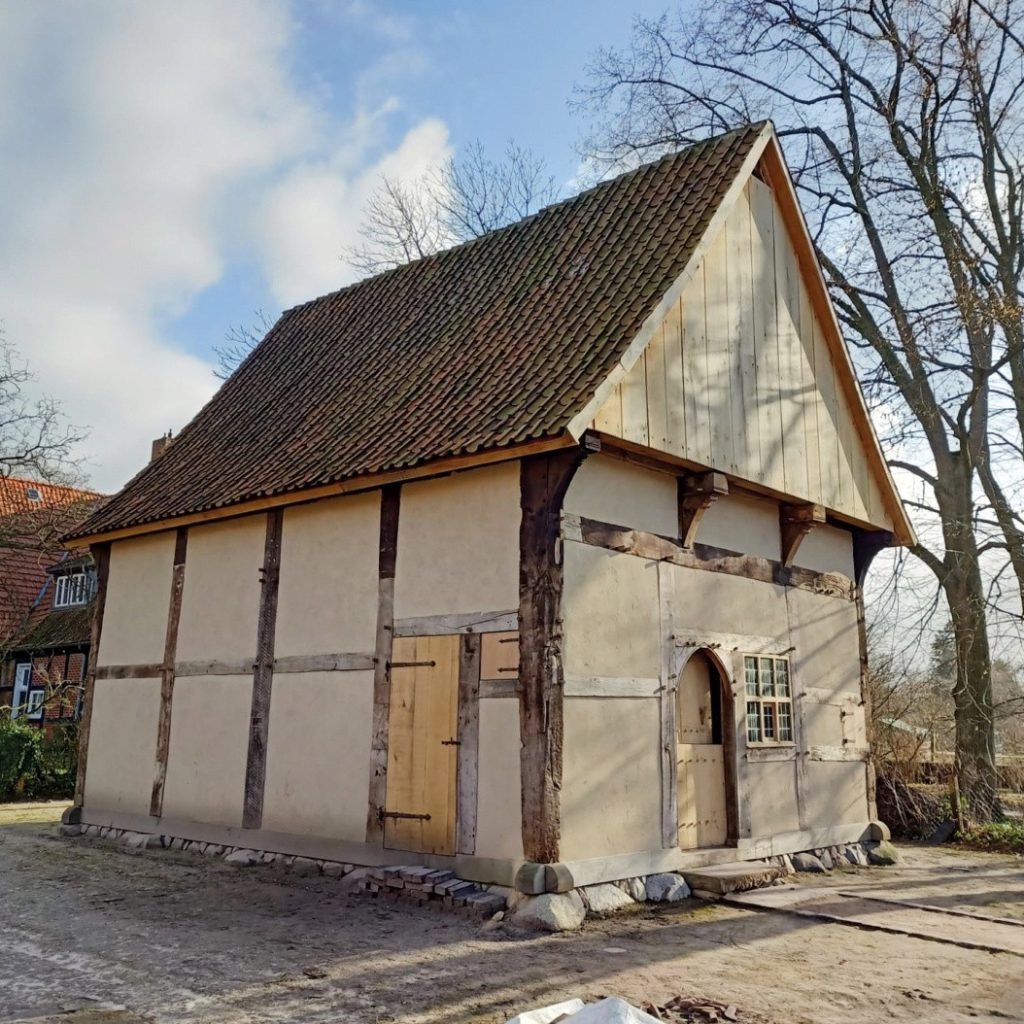
No room for radiators and timber floors being retained

Decarbonising the heating for our treasured, older buildings is problematic.  Protected floors, walls and windows means that intervention needs to be delicate and reversible in many cases.   With the electricity grid moving away from fossil fuels, the current trend towards plugging in electric, convection panel heaters can cause hot and cold spots, moving cold damp air through the building to cause mould and condensation on cold exterior walls and windows, not to mention runaway electricity bills.

Siting heat pumps can reduce bills but digging up floors to fit under floor heating or installing large radiators is prohibitive and ground source and water source rely on major ground works and disturbance to biodiversity.

Major excavation to site ground sourse array and feed back to building
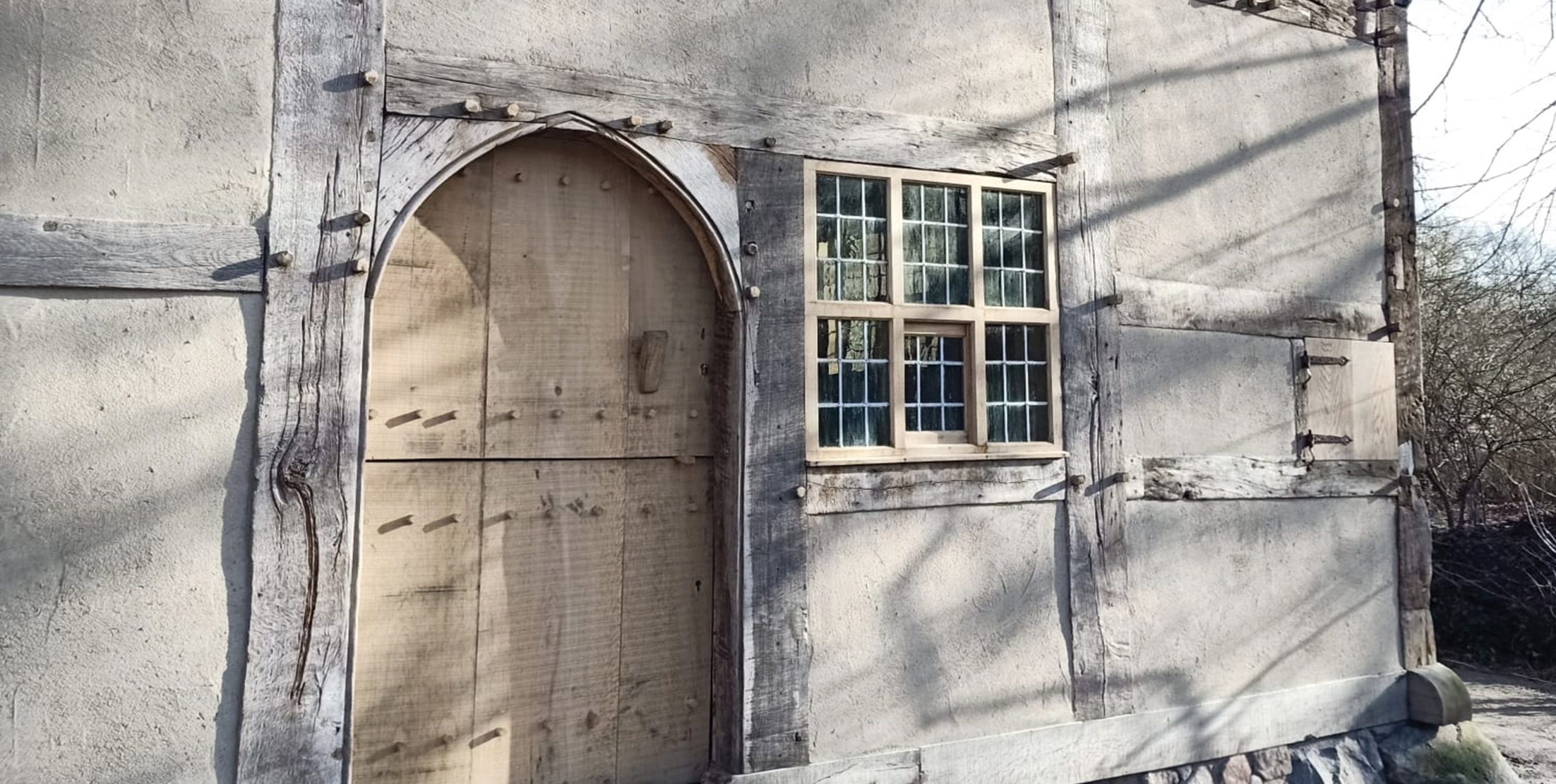
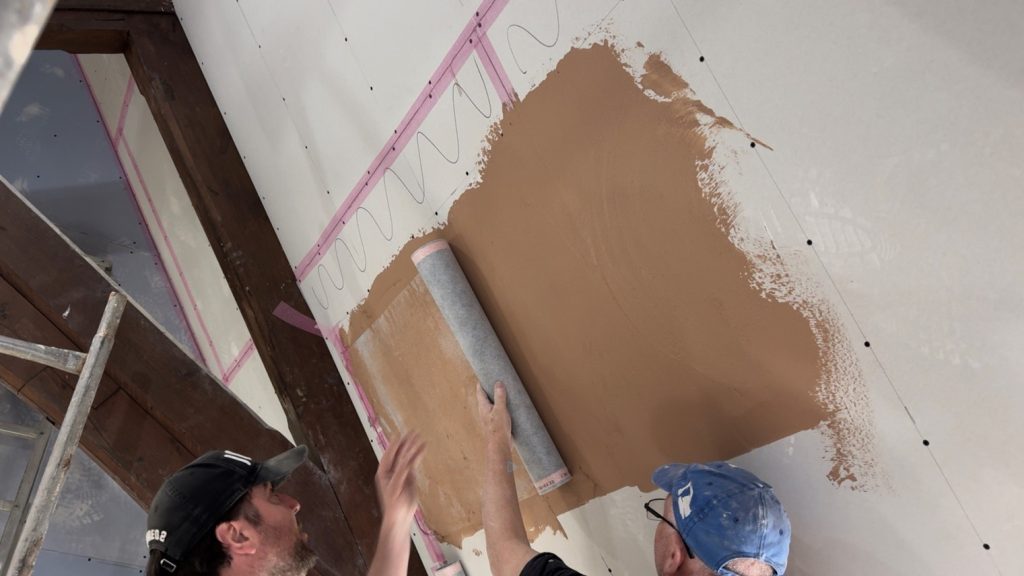
Energy Carbons systems are designed to be adaptable to many building styles.  Our products are just 0.4mm thick and are able to be invisibly fitted within plaster work, between beams or even as separate panels to be delicately fixed to existing structures.

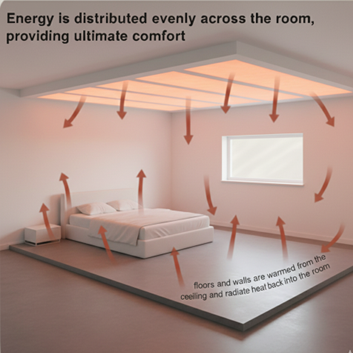
As the heating warms surfaces before the air, condensation and damp is greatly reduced and, with the addition of our AIRUNIT DMVHR units, may even be eliminated altogether.


Case Studies

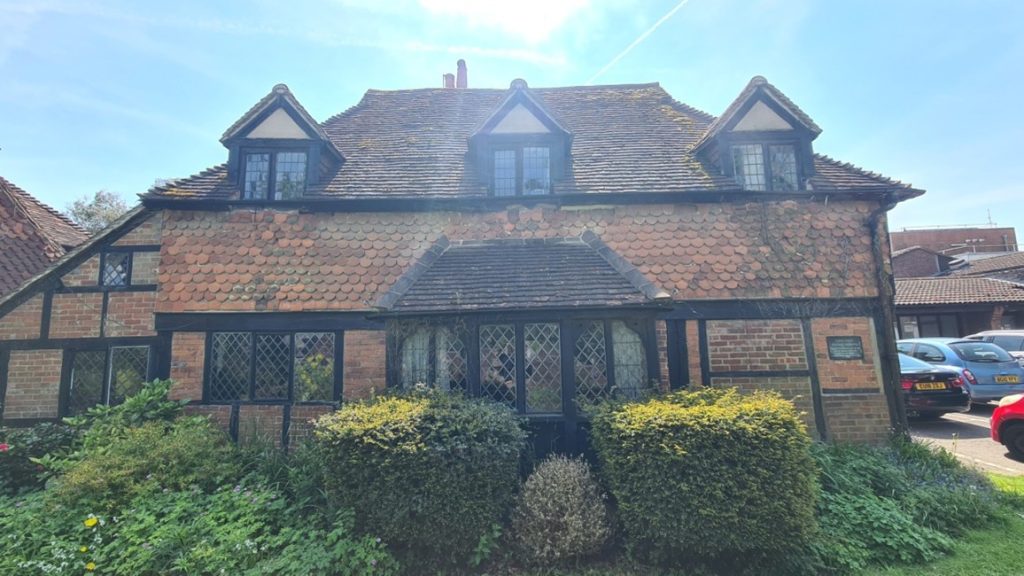
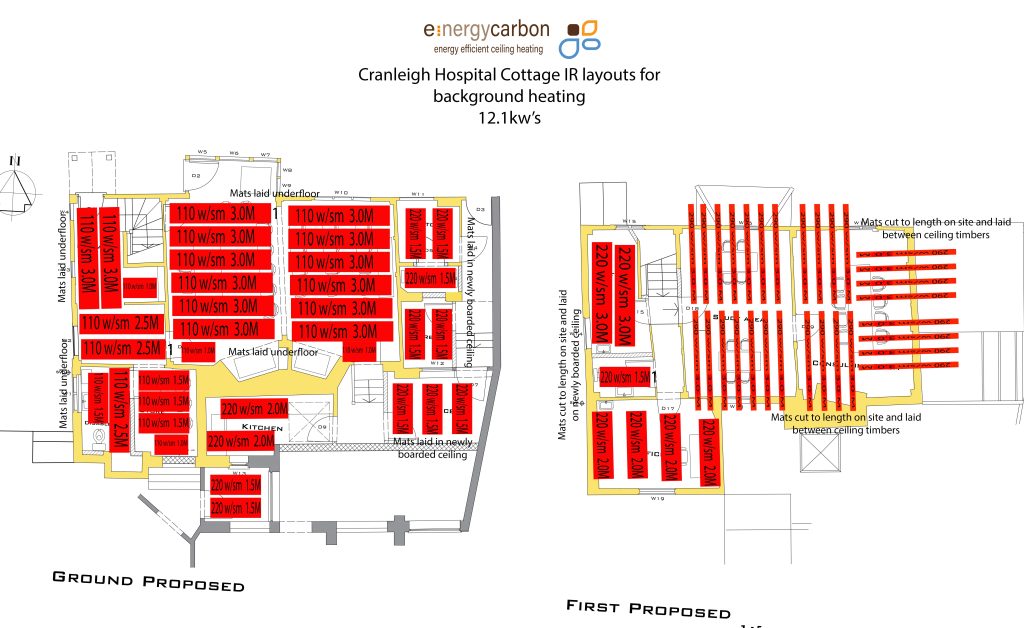
Cranleigh Cottage Hospital –In 1446, a small cottage was built with local oak, felled by hand. In 1859, it opened as the first cottage hospital in England and a forerunner to the NHS. By 2007, it was in disrepair and forgotten by the health service. Today, it has been granted funding from the National Lottery Heritage Fund with a new future as a community hub in the heart of Cranleigh

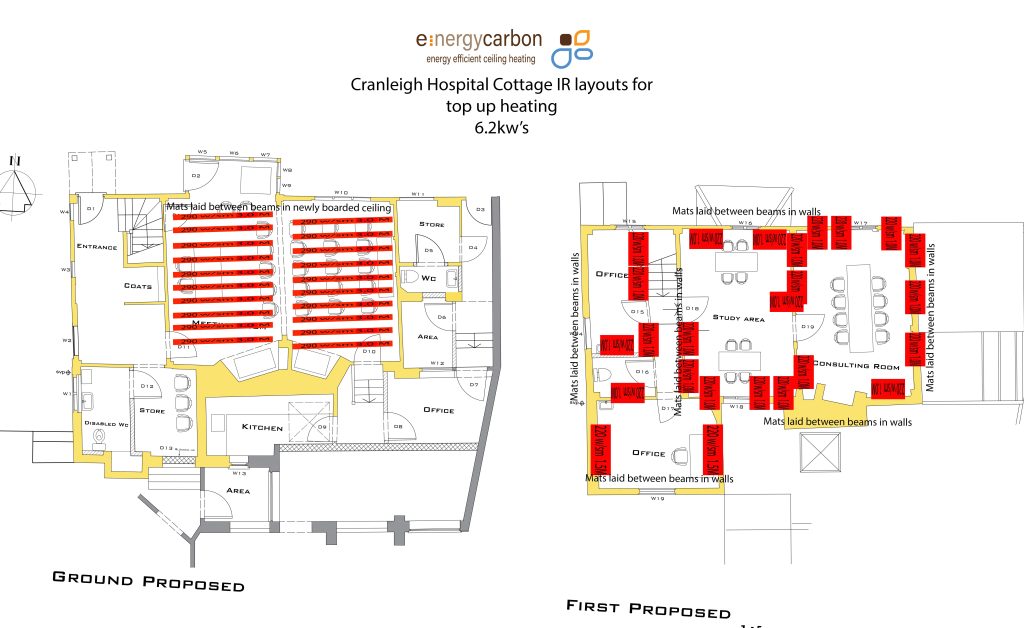
As the floors and walls are of historic interest they cannot be removed and yet the building suffers from damp and mould due to the warm air circulated by plug in heaters.  For this project we are using a dual strategy of under floor heating using our 60wm2 ‘FLEECE’ on the ground floor and strip heating using our 290wm2 x 127mm wide ‘FLEECE S’ in the ceilings of the first floor – these will run to a background set point ensuring that the building stays dry and maintains a surface temperature above the dew point. 

When the building is in use a secondary system will kick in based on presence sensor technology, radiating from strips of ‘FLEECE’ located around the rooms and bedded into the lime plaster.

The 36v mats are controlled via a suite of transformers located on a wall in a cupboard and occupying just 1.5m x 1m x 50mm.


Cranleigh Cottage Hospital –A Grade 1 listed coast guard cottage located in Devon.  The property suffered from damp due to cold walls and inefficient heating from an energy hungry gas boiler.  The owner wished to keep the revealed beams to the living room  

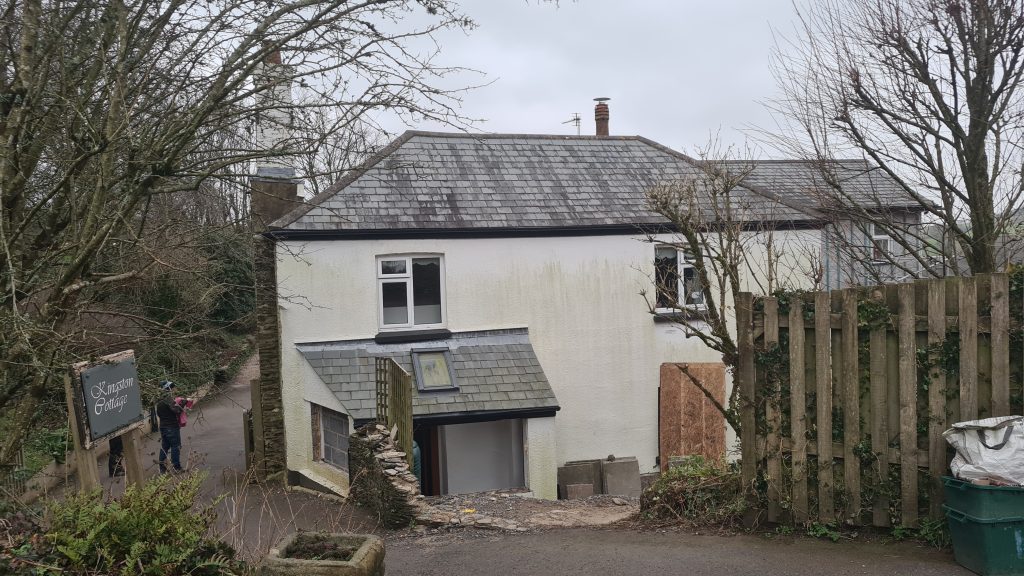
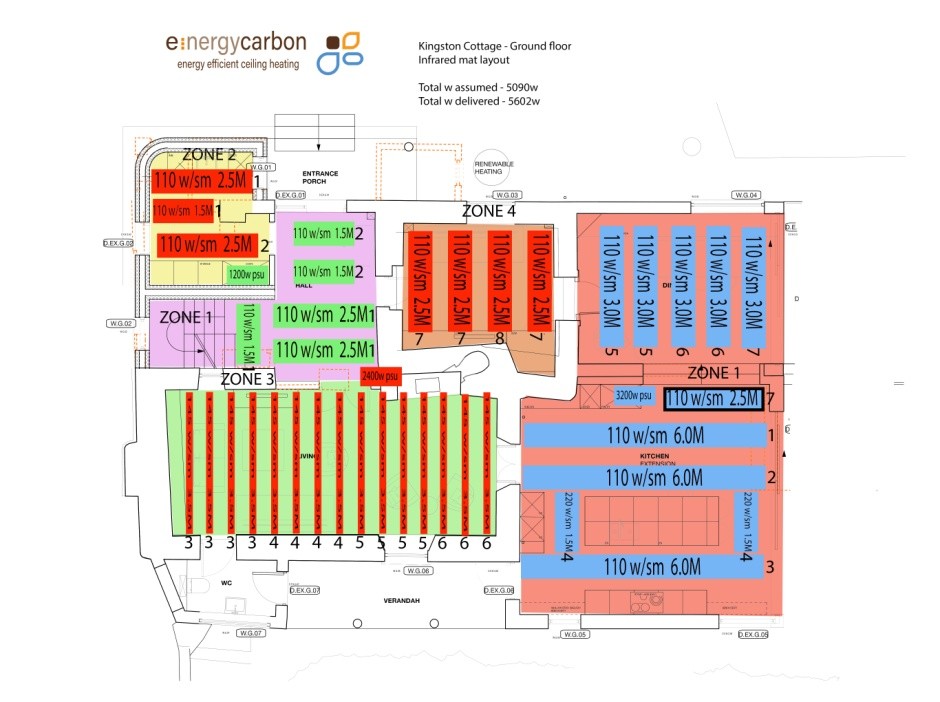
Kingston Cottage – an old coast guard property – receiving a full retrofit utilising FLEECE and POISTURE PROTECT

This old Pastor Haus is the oldest such example, dating back as far as 1535.  It’s revealed ancient oak timbers and wattle and daub walls, along with lack of space for siting of a heat pump, made  the Energy Carbon solution the only viable option

Normal integration of the heating into the walls or ceiling was not possible due to conservation restrictions and so separate fibre board panels were made to size, incorporating ‘FLEECE’ 220w embedded within the clay plaster.  These panels were then delicately fixed to the interior walls using wooden nails so that they may be removed at a later date if deemed necessary.

For more case studies visit our NEWS and DOWNLOAD pages