Latest News
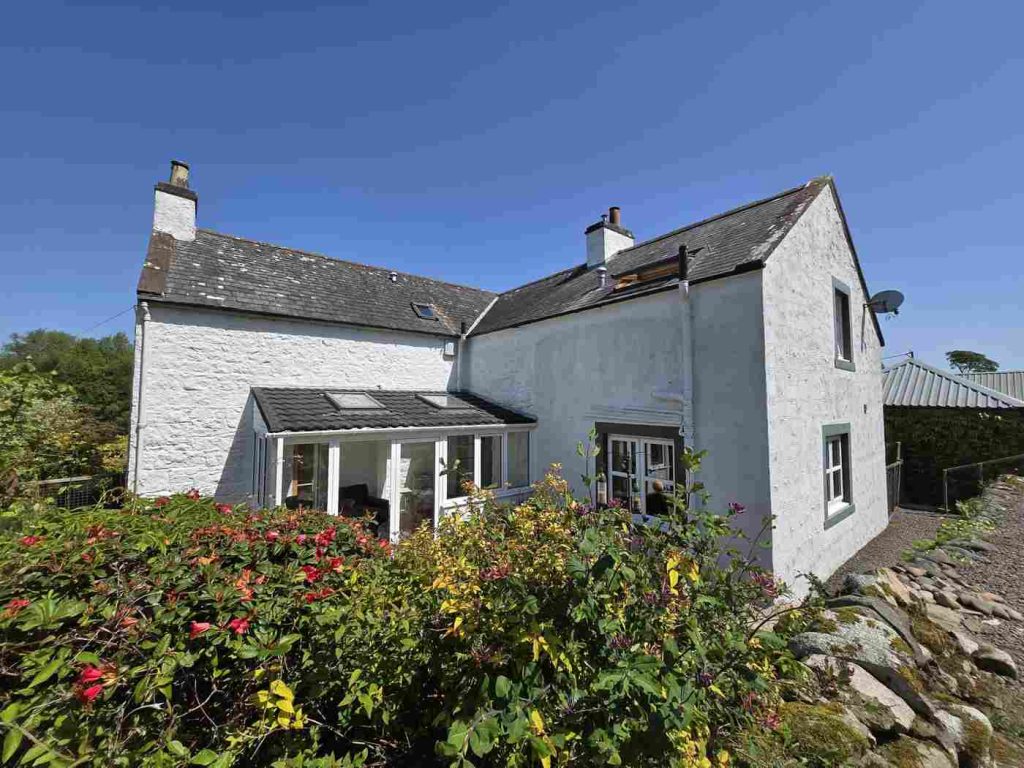
The UK has some of the oldest housing stock in Europe. From Victorian terraces and Edwardian townhouses to countryside cottages and heritage buildings, millions of British homes were built long before modern heating systems existed.
While these properties often offer character and charm, they can also present challenges when it comes to heating efficiency, insulation, and thermal comfort.
As energy conversations continue to evolve across the UK, many homeowners are now exploring whether modern systems like infrared heating can work effectively in older properties.
The answer depends on the building itself, but in many situations, infrared heating is becoming part of the conversation around flexible, low-maintenance, and future-focused heating solutions.
Many traditional British homes were designed during periods when energy efficiency standards were very different from today.
Common challenges include:
Traditional heating systems often attempt to heat large volumes of air, which can sometimes lead to inconsistent comfort levels in older buildings.
This is why homeowners increasingly look for heating approaches that focus not only on air temperature but also on overall thermal comfort.
Infrared heating operates differently from traditional convection-based systems.
Instead of mainly heating the surrounding air, infrared systems warm surfaces and objects within the room. This can help create a more balanced feeling of warmth throughout the space.
For older UK homes, this approach may offer several practical advantages:
Because many older properties have architectural limitations, homeowners often value heating systems that can adapt more easily to different layouts and building structures.
One of the biggest discussions in modern heating is thermal comfort.
A room may technically reach a warm air temperature while still feeling uncomfortable if:
Infrared heating focuses more on radiant warmth and surface comfort, which is why many homeowners describe the feeling differently from traditional heating systems.
This can be particularly relevant in older buildings where retaining balanced warmth is often more challenging.
Every building is different, and heating suitability depends on several factors:
However, infrared heating is increasingly being explored across:
In some situations, the flexibility of infrared systems can make them attractive where traditional retrofit work may be more disruptive.
Professional assessment remains important before making any heating decisions.
Infrared Heating vs Traditional Heating in Older Homes
Feature | Traditional Gas Heating | Infrared Heating |
Main Heating Style | Heats air | Radiant warmth |
Pipework Requirement | Often extensive | Minimal |
Maintenance | Regular servicing | Low maintenance |
Installation Flexibility | More restricted | Flexible options |
Surface Warmth | Indirect | Direct radiant comfort |
Suitability For Heritage Spaces | Varies | Increasingly explored |
As the UK moves towards more sustainable heating solutions, homeowners are increasingly exploring technologies that combine:
Older homes will always come with unique heating challenges, but modern systems are helping expand the options available.
Infrared heating for homes is now becoming part of the wider conversation around future-ready heating, especially in buildings where comfort, aesthetics, and installation flexibility matter.
As more UK homeowners look for sustainable and flexible heating options, infrared heating UK homes discussions are continuing to grow — particularly in older and heritage properties where traditional heating upgrades can be more complex.
Whether you own a Victorian terrace, countryside cottage, or heritage property, our team can help you explore practical heating solutions designed for comfort and long-term efficiency.
Yes, infrared heating is increasingly being explored for Victorian and older UK homes due to its flexible installation options and radiant heating approach.
Suitability depends on the property, but infrared systems are often considered in heritage projects where minimal disruption is important.
In some cases, infrared heating may be used instead of traditional radiators, depending on the heating design and property requirements.
No, unlike boilers and heat pumps, there is no bulky equipment to site. Just a hot water tank or
instantaneous hot water, such as Quooker
Cold walls, drafts, poor insulation, and uneven heat distribution can all affect thermal comfort inside older buildings.
Infrared heating systems are generally considered low maintenance because they contain fewer moving parts than traditional wet heating systems.

Energy Carbon delivers advanced infrared heating systems designed for modern, energy-efficient homes.
0791 760 8278
© Copyright Energy Carbon Ltd 2026 | Company no. 11341124